From the Big Screen to the Computer Screen
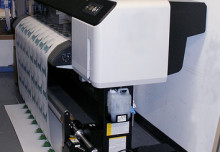
You may have heard about a new technology called 3D printing. Once the exclusive preserve of big business to design small-scale models of potential inventions (so they at least had a small working model to demonstrate their product and were not limited to computer simulations, graphics and print outs), they are becoming increasingly affordable for the home user.
Budding inventors can now purchase their own printer or work with professional printers to see if their invention is viable before sending it off to a university, for patent or one of the many business television programmes that ask you to present a business plan. The applications are and will be astounding, we can only begin to guess at the possibilities of a future where we can print working physical items for our everyday use. However, it is not difficult to see the potential problems with such technology being freely available and we have already experienced some of the dangers.
Plastic Bullets and Plastic Guns
After spending a year researching how to make one, a defence business in the US state of Texas constructed and then successfully fired a handgun made almost entirely from plastic parts built from a 3D printer (15 of 16 parts were plastic). By including the final metal part, he did not break any weapons laws in the USA but if it is possible to construct a weapon from plastic, there may require further tightening of the laws. There is now a complex legal process underway that ought to clarify rights and responsibilities in a way that respects the Second Amendment. There are calls to ban the construction of firearms from plastic, thereby rendering this action illegal. However, what implication this will have will be a matter of debate for a long time to come. Senators on both sides of the debate are raising many valid points about the legal and moral perspectives of being able to print weapons on demand.
However, the technology seems incredibly fragile. It has been confidently proclaimed that the weapon would be likely to disintegrate after firing a few shots. It was developed at great expense in terms of purchasing the printer and constructing the parts so it is unlikely to catch on at present. Thankfully nobody has produced the ammunition for this weapon and they are not likely to be able to any time soon.
Reinventing the Wheel
The present and potential dangers above are quite apparent and no doubt the legal process will play out over the course of the next few years. As with any technology there are many safer applications that could lead to an explosion of new inventions and redesigns of existing technology. Some have proclaimed the 3D printer the greatest invention since Gutenberg’s Printing Press or Stephenson’s rocket and have heralded it as a new Industrial Revolution. It is not difficult to see why and in this economic climate, would-be inventors are everywhere.
However, as with guns there is a lot of red tape tied in constructing any product. Many questions will be asked about regulation of any technology in future, and not just concerning safety. Undoubtedly, questions will be raised about trademarks and patents. Could building a simple car part for your vehicle be considered a breach of trademark? Could you use such an item for personal use or would you only be breaking the law if you attempted to profit from it? Regulations are going to be needed and it is certain that businesses will petition governments to ensure that their inventions are protected as they do not wish to suffer a loss of revenue.
Despite all of the apparent doom and gloom, the possibilities of 3D printing appear to be endless right now.
Ian Appleton is a science fiction writer who is only just beginning to understand the possibilities of rapid 3D printing at home and the problems as well as the applications for future technological advancement